The Experience Upload
Surface mastery downloads in seconds. Judgment still takes years.
Remember when Neo downloaded kung fu directly into his brain? “I know kung fu,” he said, eyes snapping open after seconds of upload. That scene from The Matrix doesn’t feel like science fiction anymore. It’s basically Tuesday for any junior analyst with ChatGPT.
Generative AI has become an experience accelerator that compresses decades of pattern recognition into an afternoon. A newcomer can synthesize 2,000 sales pitches, 500 project postmortems, and years of design reviews, then extract the winning templates. The apprenticeship model, where you shadow masters for years to absorb their judgment, is being disrupted by something closer to direct knowledge transfer.
Stanford’s AI Index shows AI tools meaningfully narrow skill gaps, with the biggest performance gains flowing to less-experienced workers. Junior employees get the most lift because they’re gaining that “I’ve seen this before” intuition that used to require years in the trenches.
When everyone can download the standard moves, competitive advantage relocates entirely. The edge migrates from having patterns to selecting them. McKinsey’s research shows companies pulling real productivity gains from generative AI, particularly in content-heavy workflows that traditionally rewarded tenure over tempo. Templates are now abundant. Knowing when and how to deploy them remains scarce.
Writing a product spec? The structure is free. Any AI can provide the template. Choosing which trade-offs to make, what features to kill, whose pain to prioritize? That’s where advantage lives. The same dynamic plays everywhere: sales, research, design, strategy.
Pattern abundance breeds pattern addiction. The junior PM who deploys a perfect RICE framework without understanding why their particular product needs different criteria. The analyst who runs flawless regressions without asking if they’re measuring the right thing. Templates that look sophisticated crumble on contact with reality.
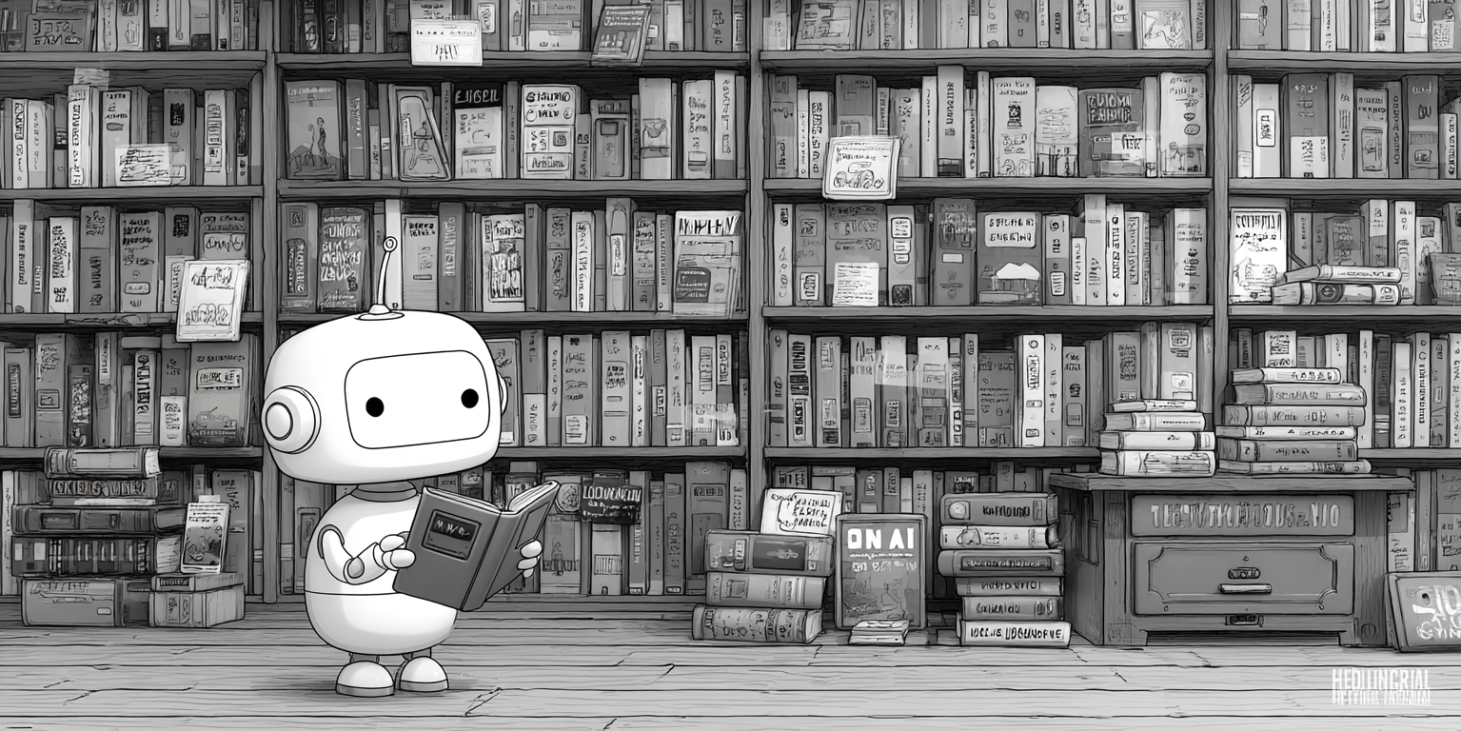
Think of expertise like a library card. For most of history, the card itself was precious. You earned it through years in the stacks, slowly building your catalog. Now the entire library rolls to your desk on command. The constraint shifted from access to selection.
AI can upload a hundred negotiation tactics into your working memory. Winning the negotiation still requires reading the room, sensing undercurrents, knowing when to break the pattern because this situation is different. Even in scientific research, models dramatically accelerate discovery, but validation and framing remain essentially human.
When moves become free, judgment becomes the only scarcity that compounds. You don’t win by having seen everything. You win by truly seeing what’s in front of you and knowing which of those thousand downloaded patterns actually applies, if any.
How did you like this article?
Enjoyed this article? Subscribe to get weekly insights on AI, technology strategy, and leadership. Completely free.
Subscribe for Free